
Bare patches, pots and neglected corners: the easiest places to add wildflowers next year
Mid December is the perfect time to have a ruthless look around your place and spot the bits that are already halfway to becoming a wildflower patch. Not the “someday I’ll redo the whole garden” fantasy, just the small, realistic wins that actually stick.
Wildflowers don’t need a perfect lawn-free utopia. They need light, bare soil, and a bit of breathing room. Here are the easiest places to start.
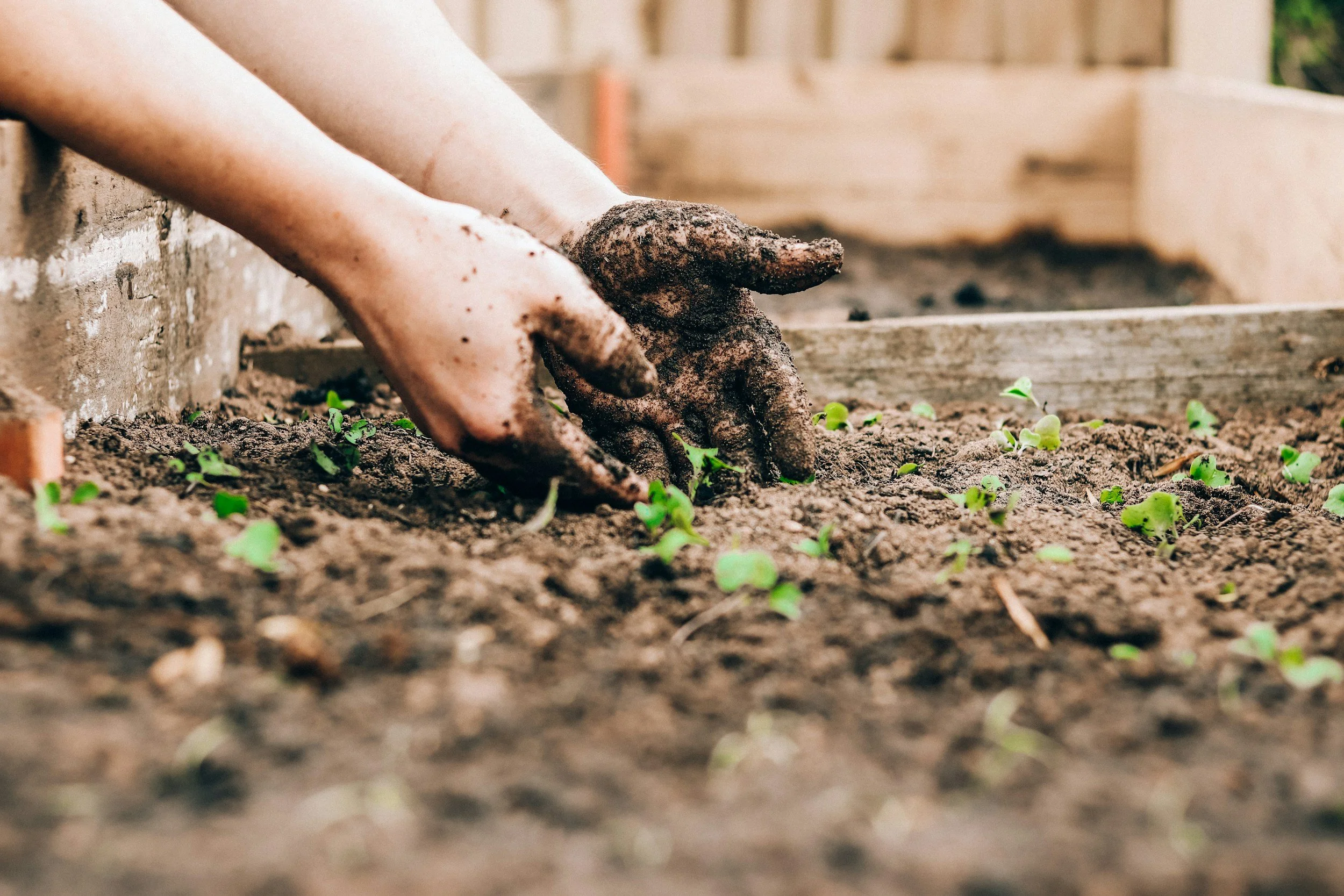
1) Bare patches (the accidental opportunity)
Every garden has them. The bit under a gate where everyone walks. The patch the dog has annihilated. The strip where the mower scalps it every time.
Why they’re great:
They’re already short on grass, which is usually the main problem.
You can keep them tidy with a simple edge, so it looks intentional.
What to do now:
Scratch out any thick roots and rake it so you’ve got exposed soil.
Keep it from greening back up too much before sowing time.
2) Pots and planters (the easiest mode)
If you want the highest chance of success with the least effort, start with pots. You control the soil, you control the weeds, and you can put them where you actually see them.
Good pot spots:
Near the front door
By the kitchen window
Along a patio or balcony
Anywhere you’d like a bit of colour without committing to digging
Simple tip:
Pick a few medium or large pots rather than lots of tiny ones, they dry out less and look better.
3) Neglected corners (where nothing “nice” ever grows)
That awkward triangle behind the shed. The shaded strip along a fence. The bit that’s basically become a storage area for forgotten things.
Why they work:
They’re already low priority, so you’re not fighting your own habits.
They often have the right “wild” feel once flowers come in.
What matters most:
Light levels. If it’s shade most of the day, use a shade-tolerant mix. If it gets a decent run of sun, go with a classic meadow-style mix.
4) Along fences and walls (the thin, unloved strips)
These are brilliant because they’re easy to define and they make the whole garden feel more alive without taking over.
Why they’re easy:
They’re long and narrow, so you can clear and maintain them quickly.
They photograph well, which is oddly motivating.
Quick approach:
Clear a strip to bare soil, then keep a sharp edge with a spade once or twice a year.
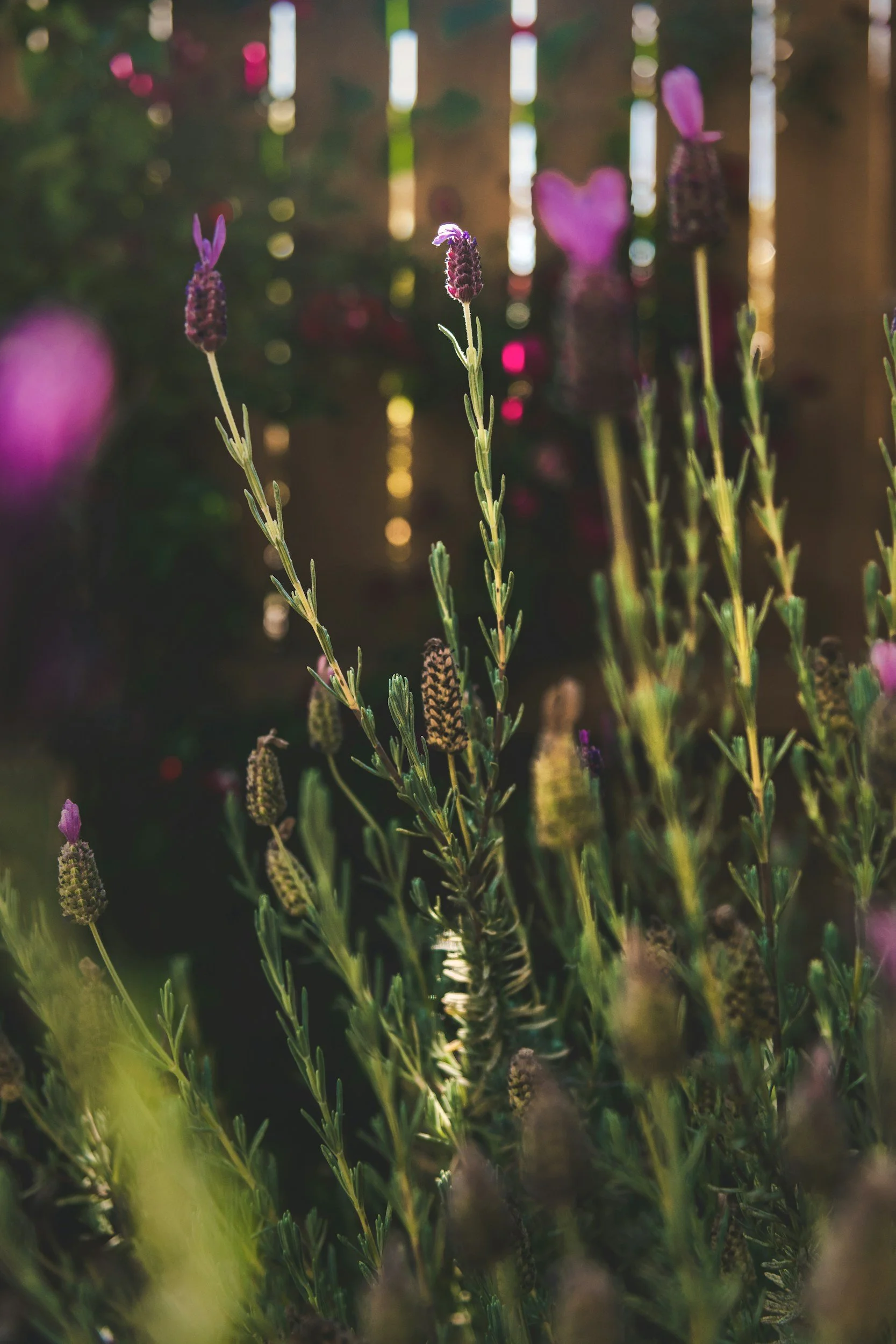
5) The “mown less” experiment (lazy, but effective)
If you’ve got a patch of lawn that’s not used for picnics, kids, or sitting out, try a simple experiment: mow it less often and see what shows up. In Ireland you’ll often get daisies and clover popping in, and pollinators will absolutely use it.
If it looks too messy:
Keep the edges mown short. It makes it look deliberate, not abandoned.
6) Community spaces (if you’ve got access)
A shared green outside your home, a bit of verge near a workplace, the corner of a community garden. These spaces can be perfect for a few pots or a small patch, as long as you’ve got permission and someone can keep an eye on it.
The one rule that makes wildflowers work
Wildflowers hate competition. If you do nothing else, do this:
Get to bare soil where you want flowers.
Grass will outcompete seedlings every time. A little prep now saves a lot of disappointment later.
A realistic plan for next year
Now (December to February): choose the spot, clear it back, and decide if it’s sun or shade.
Spring: sow and water if there’s a dry spell.
Summer: enjoy it, then decide if you want to let it self-seed or tidy it back.
You don’t need a huge area. A few pots and one scruffy corner is enough to create a proper little pocket of habitat, and it’s the kind of change you’ll notice every time you come home.
#createyourwildspace #Pollinators #Biodiversity #Bees #beebombs #gift #nature #bringthebeesback #weareone #eco
🌍🌼🌸🌺❤🐝🦋